
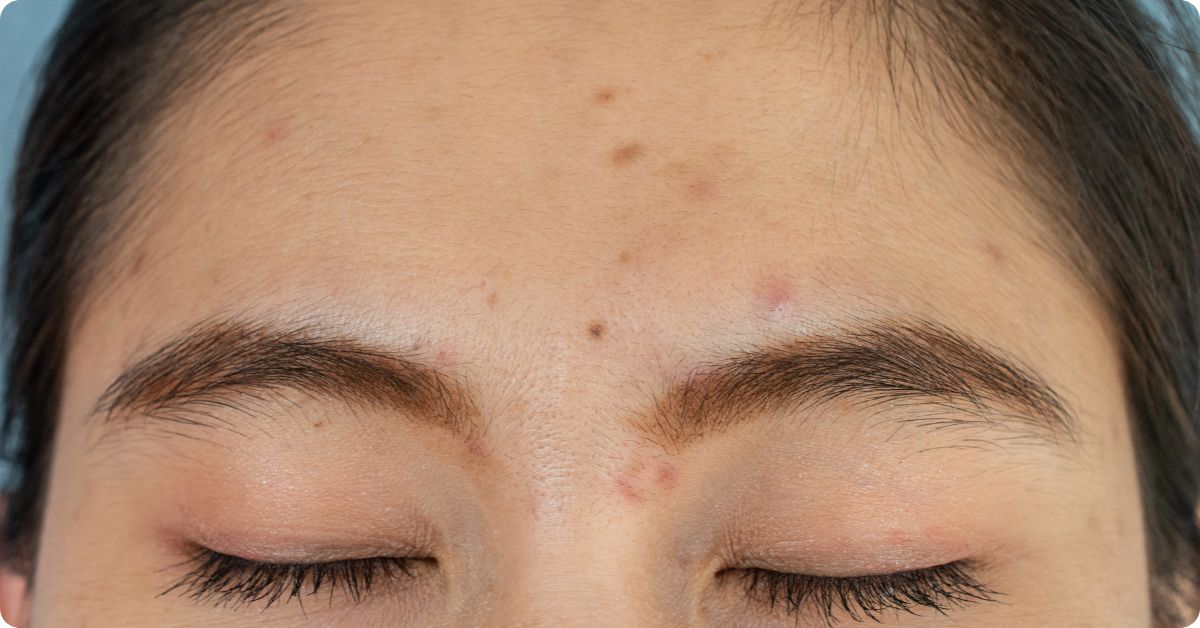

- Estika’s Resurface Program, a structured, multi-session renewal program combining resurfacing and collagen-stimulating treatments
- Past inflamed or cystic acne damages collagen in the dermis (skin’s deep layer), leaving behind permanent textural changes once the breakout heals
- Identifying which type of acne scar you have (ice pick, rolling, boxcar, or hypertrophic/keloid) determines which clinical approach can actually rebuild lost collagen
- Visible pits, craters, or “wavy” texture; shadowing under certain lighting; raised or tethered patches of skin
- Estika Medispa’s Resurface Program is designed to gradually smooth texture and support long-term skin clarity through a series of targeted treatments
Understanding Acne Scars
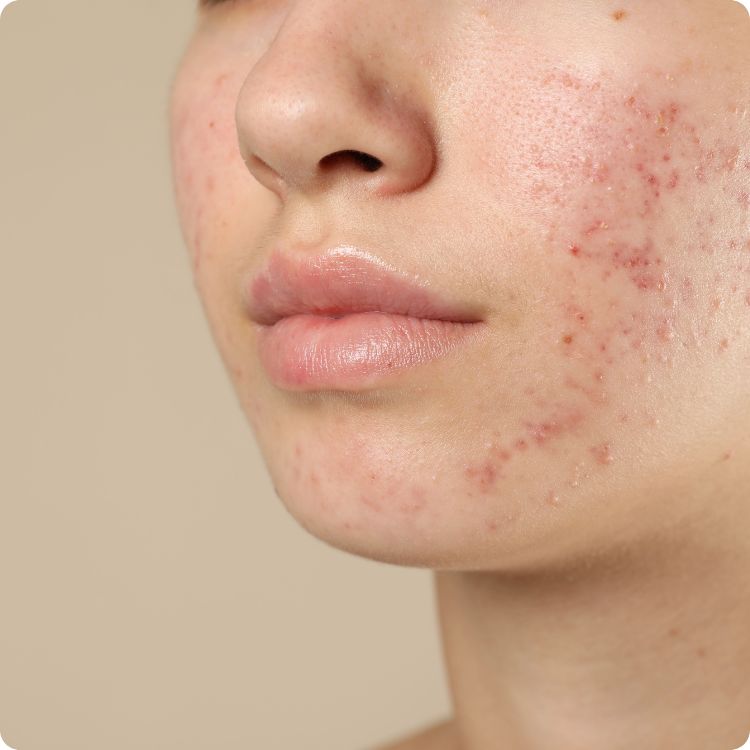
True acne scars are permanent textural changes caused by collagen damage in the dermis unlike temporary post-acne marks, they can’t be fixed with creams, but identifying which of the four scar types you have (ice pick, rolling, boxcar, or hypertrophic/keloid) determines which clinical treatment can rebuild the lost collagen.
If breakouts have left behind pits, craters, or rough patches that don’t fade like a regular dark mark, you’re likely dealing with a true acne scar, not just leftover pigmentation. Knowing the difference matters, because creams alone can’t fix a scar that lives deep in the skin.
Acne Scars Root Cause
- Collagen destruction: severe inflammation from cystic or nodular acne breaks down the collagen “scaffolding” that holds your skin’s surface smooth
- Squeezing or popping pimples: forces infection sideways, damaging the surrounding follicle wall and tissue
- Fibrosis: the body sometimes creates thick, disorganised “emergency” tissue to close a wound quickly, resulting in a tethered, pulled-down scar
- Genetics: some people are simply more prone to scarring than others, regardless of how they treat their acne
Symptoms of Acne Scars
- Visible pits, craters, or a “wavy” texture across the cheeks, jawline, or forehead
- Skin that looks noticeably rougher under direct or angled lighting (a “shadow effect”)
- Patches of skin that feel firmer, tighter, or tethered compared to surrounding areas
- Raised, firm bumps in some cases (more common on the jawline, chest, or back)
Progression of Acne Scars
Active inflammation damages collagen and elastin in the dermis, and as healing begins, the body either under-produces collagen, resulting in a pit or depression (atrophic scar) or over-produces it, resulting in a raised, firm bump (hypertrophic or keloid scar). Scars also mature over time: fresh scars (pink or red) respond faster to treatment than old, “white,” matured scars.
Acne Scars Myths vs Reality
| Myth | Reality |
|---|---|
| A good cream can “fill in” a pitted scar | Creams only affect the epidermis (top layer); pitted scars are a dermal (deep layer) issue that needs professional stimulation |
| All acne marks are permanent scars | Flat red or brown marks are usually temporary post-inflammatory pigmentation, not true structural scars |
| Once a scar forms, nothing can be done | Clinical treatments can stimulate fresh collagen production and visibly improve texture over time |
| Scarring only happens with severe acne | Even moderate, prolonged, or repeatedly picked-at acne can lead to lasting scars |
What the Research Says About Acne Scars & Collagen Loss
Peer-Reviewed Dermatology Data
- DermNet reports that scarring affects roughly 30% of people with moderate to severe acne vulgaris, and is more common in acne subtypes such as nodulocystic acne and acne conglobata
- A randomized controlled trial published in the Journal of Cosmetic Dermatology found that combining microneedling with sequential 70% glycolic acid peels produced significantly greater improvement in atrophic acne scars than microneedling alone, while also improving overall skin texture
- A randomized clinical trial published in JAMA Dermatology found that a needling device produced measurable improvement in acne scar appearance after just three sessions, with minimal discomfort reported by participants
- The American Academy of Dermatology (AAD) notes that the right acne scar treatment depends on individual factors like scar type, skin type, and downtime tolerance — which is why a personalised treatment plan matters more than a single “fix-all” product
Estika internal observation (based on client consultation patterns, not a published clinical trial): clients who began treatment on fresher scars tended to see improvement faster than those treating long-matured, “white” scars, and clients who combined the Resurface Program with consistent active-acne control saw smoother, more even progress than those still experiencing breakouts during treatment.
How We Assess Your Acne Scars
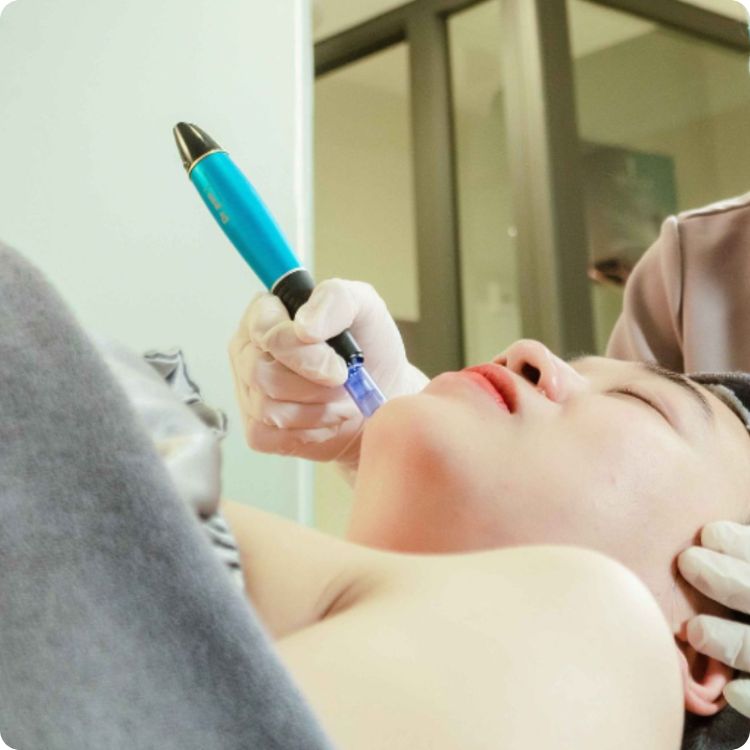
At Estika Medispa, scar treatment always begins with a proper assessment, not a one-size-fits-all approach:
- Scar type identification: determining whether you have ice pick, rolling, boxcar, or hypertrophic/keloid scarring (often more than one type at once)
- Skin type & tone analysis: especially important for Malaysian skin types, which often face both textural scarring and stubborn dark staining
- Scar age & maturity check: fresher scars typically respond faster than scars that have matured for years
- Active acne screening: ensuring any ongoing breakouts are addressed before aggressive resurfacing begins
- Personalised treatment mapping: building a realistic, multi-session plan based on your scar depth, distribution, and goals
Types of Acne Scars in Malaysia
Not all acne scars are the same and the right treatment depends on identifying which type (or combination) you actually have.
Ice Pick Scars: Narrow, deep pits that look like the skin was punctured by a needle. Because they reach deep into the dermis, surface creams have little effect; they require treatment that triggers healing from the base up.
Rolling Scars: Shallow, wide depressions with sloping edges that give the skin a “wavy” or undulating appearance, caused by fibrous bands pulling the skin downward from beneath.
Boxcar Scars: Wide, crater-like depressions with sharp, well-defined vertical edges, formed when inflammation destroys a localised area of collagen “padding.”
Hypertrophic / Keloid Scars: Raised, firm lumps caused by an overproduction of collagen during healing, more commonly seen on the jawline and chest.
Understanding Resurface Program for Acne Scars
Science Behind Resurface Program for Acne Scars
The Resurface Program works by gently triggering the skin’s own repair response, encouraging it to break down old, disorganised scar tissue and replace it with fresh, organised collagen. Rather than relying on a single session, the program is sequenced over multiple visits so the skin can rebuild gradually, with less downtime than a single aggressive procedure.
Resurface Program for Acne Scars: Treatment Process
- Skin analysis: detailed consultation to evaluate scar type, depth, and overall skin condition
- Treatment planning: a structured, multi-session plan is built around your specific scarring pattern
- Progressive treatments: a series of resurfacing sessions performed over time to support gradual renewal
- Ongoing monitoring: your skin’s response is reviewed and the plan adjusted as needed
- Post-care guidance: aftercare support provided after every session to protect results
Resurface Program Downtime
Downtime varies depending on the specific treatments used within the program at each stage. Your therapist will walk you through what to expect for your specific plan during consultation.
Resurface Program Results

| Timeline | What to Expect |
|---|---|
| Weeks 1–4 | Skin texture begins to feel smoother; early sessions completed |
| Month 2 | Gradual improvement in surface evenness |
| Month 3+ | Noticeably smoother, more refined texture with continued sessions |
| Ongoing | Results are progressive — consistency across the program matters more than any single session |
Why the Resurface Program Works for Acne Scars
Benefits
- Supports gradual rebuilding of collagen instead of just masking texture with makeup
- Addresses multiple scar types (pitted and raised) within one structured program
- Reduces the “shadow effect” that makes scars look deeper under certain lighting
- Builds toward long-term skin clarity rather than a single quick fix
Suitable For
- Anyone with visible ice pick, rolling, boxcar, or hypertrophic/keloid acne scars
- Those whose active acne has already cleared or is under control, or who’ve tried topical creams without improvement
- Malaysians dealing with both scarring and post-acne dark marks
Not Suitable For (Without Modification)
- Active acne or inflamed skin conditions — stabilise breakouts first
- Open wounds, skin infections, or pregnancy — consult your therapist, as suitability may depend on the specific protocol
- Certain medical or skin conditions may require review before starting
Related: Flawless Skin Fast: Affordable Open Pores Treatment in KL
Our Certified Skin Therapists
Estika’s certified beauty specialists are trained to identify scar type and severity accurately because treating a rolling scar the same way as a boxcar or hypertrophic scar rarely gives good results. Every treatment plan follows protocols reviewed by a registered medical practitioner.
Advantages of Estika Solution
- Structured, multi-session programs built around your specific scar types, not generic single treatments
- Non-invasive technologies designed to minimise downtime while supporting real collagen renewal
- Certified therapists trained specifically in scar assessment and management
- 37 branches nationwide, recognised with the Nona Superwoman Award 2023
Book Your Resurface Program at Estika Medispa
Treatment Journey for Acne Scars
Your journey starts with a consultation and skin analysis to identify your specific scar types, followed by a personalised, multi-session Resurface Program plan tailored to your scarring pattern and goals. After your first treatment session, you’ll move through progressive sessions spaced to allow your skin to rebuild collagen gradually, with regular progress reviews to track texture improvement and adjust your plan as needed.
When to Go For Professional Acne Scars Treatment?
Topical products can help with surface-level dullness or mild marks, but they cannot rebuild lost collagen. Consider professional treatment when:
- You have visible pits, craters, or raised scars that haven’t improved with creams
- Your scarring affects your confidence in everyday lighting or photos
- You’re unsure which type of scar you have or which treatment actually suits it
- Your active acne has cleared and you’re ready to address the marks left behind
Resurface Program & Acne Scars FAQ
1. Can a cream actually fix a pitted acne scar?
No. Topical creams only affect the epidermis (the skin’s top layer). Pitted scars are a dermal (deep layer) issue, they need professional treatment, like Estika’s certified therapists provide, that stimulates collagen rebuilding from within.
2. How to get an appointment for an acne scar consultation at Estika?
Book online via estika.com/services/, through WhatsApp, or walk into any of our 37 nationwide branches for a skin assessment.
3. Can acne scars be treated while I still have active breakouts?
It’s generally best to calm active inflammation first. Our therapists can help manage active acne alongside early scar planning, then intensify resurfacing once breakouts are under control.
4. How many sessions are required for visible improvement?
This varies by scar type and depth. Most clients on the Resurface Program follow a multi-session plan, with texture improvements typically becoming noticeable over a few months of consistent treatment.
Acne Scars? Read Skin Problem FAQ Here
Sources
- DermNet — Acne Scarring, last reviewed August 2023, updated 23-May-2024. https://dermnetnz.org/topics/acne-scarring
- PubMed / NCBI — Rana S, Mendiratta V, Chander R. Efficacy of microneedling with 70% glycolic acid peel vs microneedling alone in treatment of atrophic acne scars—A randomized controlled trial. Journal of Cosmetic Dermatology, Dec-2017. https://pubmed.ncbi.nlm.nih.gov/29072375/
- JAMA Dermatology — Alam M, Han S, Pongprutthipan M, et al. Efficacy of a needling device for the treatment of acne scars: a randomized clinical trial. JAMA Dermatology, Aug-2014. https://pubmed.ncbi.nlm.nih.gov/24919799/
- American Academy of Dermatology (AAD) — Acne Scars: Consultation and Treatment. https://www.aad.org/public/diseases/acne/derm-treat/scars/treatment
- Persatuan Dermatologi Malaysia (PDM) — Official public education resource on skin health and dermatology in Malaysia. https://www.dermatology.org.my/
- Our Acne Scar Treatments — https://estika.com/services/
- Acne Scar Problem Guide — https://estika.com/skin-problem/acne-scar/
This clinical guide has been reviewed and approved for medical accuracy by:
Dr. Abdul Haq Ab Wasa Founder of Estika Medispa Registered Medical Practitioner with the Malaysian Medical Council (MMC No: 63574). All protocols at Estika Medispa adhere strictly to KKM (Ministry of Health Malaysia) regulations and ISO 9001:2015 Quality Management System guidelines to ensure patient safety and clinical excellence.