
Precision Pigment Correction: Fade
Dark Spots & Restore Even Skin Tone.
Don’t let “Jeragat” hide your true radiance. Our Nona Superwoman Award 2023 winning
medical-grade technologies target melanin at its root. Experience expert pigmentation care across 37 branches nationwide.
What is Dark Spot & Pigmentation?
Hyperpigmentation occurs when melanocytes (pigment-producing cells) become overactive due to UV exposure, hormonal shifts, or inflammation. In Malaysia’s high-UV environment, pigmentation often manifests as stubborn dark spots, sun spots, or melasma. At Estika Medika, we utilize a Multi-Layered Pigment Strategy: inhibiting new melanin production, breaking down existing surface spots, and stabilizing the deeper dermal layers to prevent recurrence.
Data & Insights 2026
The Tropical UV Factor: Malaysia’s average UV Index often exceeds 11+, which can trigger a 20% surge in melanin production within just 15 minutes of unprotected exposure.
Hormonal Link: 60% of Malaysian women over the age of 35 experience some form of Melasma (Jeragat), often triggered by pregnancy, birth control, or hormonal fluctuations.
Post-Inflammatory Surge: Darker skin tones (Fitzpatrick III-VI) are 3x more likely to develop long-lasting dark spots (PIH) after acne or skin injury compared to fairer skin tones.
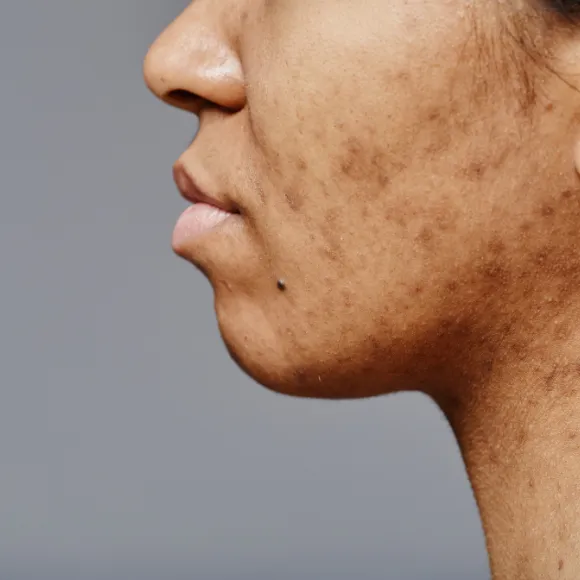
SYMPTOMS
Localized Dark Spots
Small, flat, brown or black spots (Sun spots/Lentigines).
Symmetrical Patches
Larger, brownish-grey patches on the cheeks, forehead, or upper lip (Melasma).
Post-Acne Marks
Red or brown flat marks left behind after a breakout has healed (PIH/PIE).
Uneven Skin Tone
A “mottled” or patchy appearance where some areas look darker than others.
Textural Pigment
Raised brown spots that may feel slightly rough (Seborrheic Keratosis).
CAUSES
UV Radiation
The primary trigger that signals melanocytes to produce “protective” pigment.
Dermal Hormonal Fluctuations
Estrogen and progesterone sensitivity that causes “Melanocyte-Stimulating Hormone” (MSH) to go into overdrive.
Chronic Inflammation
Low-grade skin stress (from heat or pollution) that keeps the skin in a constant “pigment-defense” mode.
Photo-Sensitizing Agents
Certain medications or fragrances that make the skin more reactive to sunlight.
SHORT-TERM RISKS
Pigment Darkening: Temporary “staining” that becomes harder to treat the longer it is left ignored.
Contrast Issues: Dark spots become more pronounced against a dull skin background, making you look older.
Ineffective Self-Treatments: Using “bleaching” creams that can lead to chemical burns or permanent white spots (Hypopigmentation).
LONG-TERM RISKS
- Dermal Pigment Migration: Pigment that moves from the surface to the deep dermis, requiring much more intensive clinical treatment.
- Ochronosis: A permanent bluish-black skin discoloration caused by the long-term use of unregulated lightening agents (like high-strength hydroquinone).
- Premature Aging (Photoaging): Pigmentation is often accompanied by the breakdown of collagen, leading to deep wrinkles and “leathery” skin.
TYPES OF DARK SPOT & PIGMENTATION PROBLEMS
Melasma (Jeragat)
Deep, hormonal patches; notoriously difficult to treat with creams alone.
01
PIH (Post-Inflammatory Hyperpigmentation)
Dark spots following acne, eczema, or injury.
02
Solar Lentigines
Sun-induced age spots found on sun-exposed areas.
03
Ephelides (Freckles)
Small brown spots often linked to genetics and early sun exposure.
04
Frequently Asked Questions
Can "Jeragat" (Melasma) be cured permanently?
Melasma can be successfully managed and faded, but because it is often hormonal, it can return with sun exposure or heat. Consistency in sun protection and professional maintenance is key.
Why is my pigmentation getting darker even though I stay indoors?
“Heat” and “Visible Light” (including blue light from screens) can also trigger pigment production. If you are cooking over a stove or sitting near a window without SPF, your pigmentation can still darken.
Is it safe to use "brightening" products during the day?
It depends on the ingredient. Some brightening agents like Vitamin C are great for the day, but others like Hydroquinone or strong Retinoids should only be used at night as they increase sun sensitivity.
How do professional treatments at Estika Medika help?
Topical creams struggle to reach the deep dermal pigment. Our professional energy-based and light-based technologies can precisely target pigment clusters, breaking them down so your body can naturally clear them away.
Verified by the Estika Medispa Aesthetic Leadership Team
Direct WhatsApp support for appointments and queries
Medical Disclaimer: The information provided on estika.com is for educational purposes only and does not substitute professional medical advice, diagnosis, or treatment. Estika Medika’s protocols for acne skin and acne skin problems developed by certified aesthetic specialists in compliance with Malaysian healthcare standards. Individual results may vary based on hormonal and environmental factors.