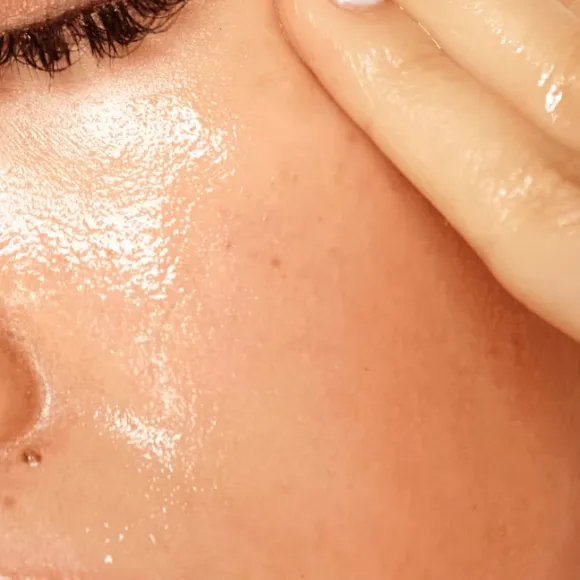
Master Your Matte: Clinical Control for Overactive Oily Skin
Stop hiding behind blotting papers. Our Nona Superwoman Award 2023 winning treatments stabilize sebum production at the source, giving you clear, poreless skin across 37 branches nationwide.
Oily skin, or Seborrhea, is caused by overactive sebaceous glands producing excess sebum. While oil is necessary for skin protection, an imbalance leads to clogged pores, persistent shine, and inflammatory acne. At Estika Medika, we don’t just “strip” the oil (which causes rebound oiliness); we re-educate your skin to balance its natural lipid production using advanced medical-grade technology and non-invasive solutions.
Data & Insights 2026
The Humidity Factor: In Malaysia, a 1°C increase in temperature can lead to a 10% increase in sebum production, making tropical oil control a unique clinical challenge.
Pore Expansion: Untreated oily skin leads to “pore stretching.” By age 30, chronically oily skin can have pores that appear 3x larger due to loss of elasticity and constant sebum blockage.
The “Rebound” Effect: 85% of individuals using harsh, alcohol-based “oil-control” toners actually experience a 20% increase in oiliness within 2 hours due to the skin’s emergency defense mechanism.
SYMPTOMS
Persistent Shine
A greasy appearance that returns within 1–2 hours after washing.
Enlarged Pores
Visible “orange-peel” texture, especially on the nose, forehead, and chin (T-Zone).
Congestion
Frequent blackheads, whiteheads, and “rough” skin texture.
Makeup Slippage
Difficulty keeping foundation or sunblock in place throughout the day.
Thickened Texture
The skin feels “heavy” or “leathery” due to excess oil and dead cell buildup.
CAUSES
Androgen Dominance
Hormonal fluctuations that signal oil glands to expand and overproduce.
Genetics
Inherited larger sebaceous glands that are naturally more active.
Environmental Heat
Tropical heat liquefies sebum, making it spread faster across the skin surface.
Barrier Damage
Using harsh scrubs that strip natural oils, causing the skin to “panic” and produce even more grease.
SHORT-TERM RISKS
Active Acne Flare-ups: Excess oil acts as “fuel” for C. acnes bacteria.
Oxidized Blackheads: Sebum that hardens and turns black when exposed to air, making pores look “dirty.”
Seborrheic Dermatitis: Red, itchy, and scaly patches in oily areas like the sides of the nose.
LONG-TERM RISKS
Permanent Pore Enlargement: Once pores are stretched by chronic oil blockage, they rarely return to their original size without clinical intervention.
Textural Scarring: Constant congestion leads to low-grade inflammation that destroys smooth skin texture.
Hyperkeratosis: The skin thickens to protect itself from the “oil bath,” leading to a dull, yellowish, and aged appearance.
TYPES OF OILY SKIN PROBLEMS
Congested Oily Skin
Characterized by blackheads and a "bumpy" texture.
01
Oily-Dehydrated (The Malaysian Paradox)
Skin that is greasy on the surface but feels tight and dehydrated underneath.
02
Hormonal Seborrhea
Sudden oil surges linked to stress or menstrual cycles.
03
Cystic-Oily Skin:
Deep, painful lumps that form when excess oil is trapped in deep follicles.
04
Frequently Asked Questions
Quick answers to questions you may have
Should I skip moisturizer if my skin is already very oily?
Never. Skipping moisturizer dehydrates the skin, which triggers a “rebound effect” where your glands produce more oil to compensate. Use an oil-free, gel-based hydrator instead.
Does washing my face 5 times a day help?
No, this is counterproductive. Over-washing damages the skin barrier. Stick to twice a day with a pH-balanced cleanser to maintain a healthy oil-water balance.
Can professional treatments like Lasers or Silkpeels reduce oiliness?
Yes. Clinical treatments can reach the sebaceous glands to shrink them or deep-clean pores in a way that home cleansing cannot. This provides long-term “matte” results.
Why is my skin oily only in the T-Zone?
This is “Combination Skin.” The T-Zone (forehead, nose, chin) has a higher density of sebaceous glands than your cheeks. We recommend “multi-masking” or targeted clinical sessions for these specific areas.
Verified by the Estika Medispa Aesthetic Leadership Team
Direct WhatsApp support for appointments and queries
Medical Disclaimer:The information provided on estika.com is for educational purposes only and does not substitute professional medical advice, diagnosis, or treatment. Estika Medika’s protocols for acne skin and acne skin problems developed by certified aesthetic specialists in compliance with Malaysian healthcare standards. Individual results may vary based on hormonal and environmental factors.