
- Estika uses non-invasive skin assessments and targeted facial treatments including hydrating facials and mild chemical peeling to restore skin barrier function
- Dry skin is caused by genetics and low sebum production; dehydrated skin is triggered by external factors like Malaysia’s humid heat, air conditioning, poor diet and over-cleansing
- Certified skin therapists assess skin type and condition before recommending a personalised treatment plan targeting either oil production or water retention
- Dry skin appears flaky, rough, and dull year-round; dehydrated skin shows fine lines, tightness and a dull, sunken look, even in oily skin types
- Seek professional treatment when home care fails, skin barrier is compromised, or symptoms persist beyond 4–6 weeks despite product changes
Understanding Dry vs Dehydrated Skin
If you’ve ever bought an expensive moisturiser and still woke up with tight, flaky skin, you’re not alone. Many women in Malaysia are unknowingly using the wrong products because they’ve misidentified their skin condition. The confusion between dry skin and dehydrated skin is one of the most common skincare mistakes and it can actually make things worse.
These two conditions look similar on the surface but have completely different root causes and require different solutions.
Root Cause of Dry vs Dehydrated Skin
Dehydrated skin lacks water, whereas dry skin lacks oils. The nuance between the two can be difficult to discern, but it’s important to understand so you know if you need hydration or moisturization.
Dry skin is a skin type, which means it’s largely determined by your genetics. People with dry skin naturally produce less sebum (oil) from their sebaceous glands. This oil is what forms the skin’s natural protective barrier, locking in moisture and keeping irritants out. Without enough sebum, the skin barrier becomes compromised and moisture escapes easily.
Dehydrated skin, on the other hand, is a skin condition, meaning it’s temporary and caused by external factors. It happens when your skin lacks water, not oil. Even oily skin types can be dehydrated.
In Malaysia, this is extremely common due to:
- Prolonged exposure to air conditioning (in offices, malls, and cars)
- High humidity that tricks people into skipping moisturiser
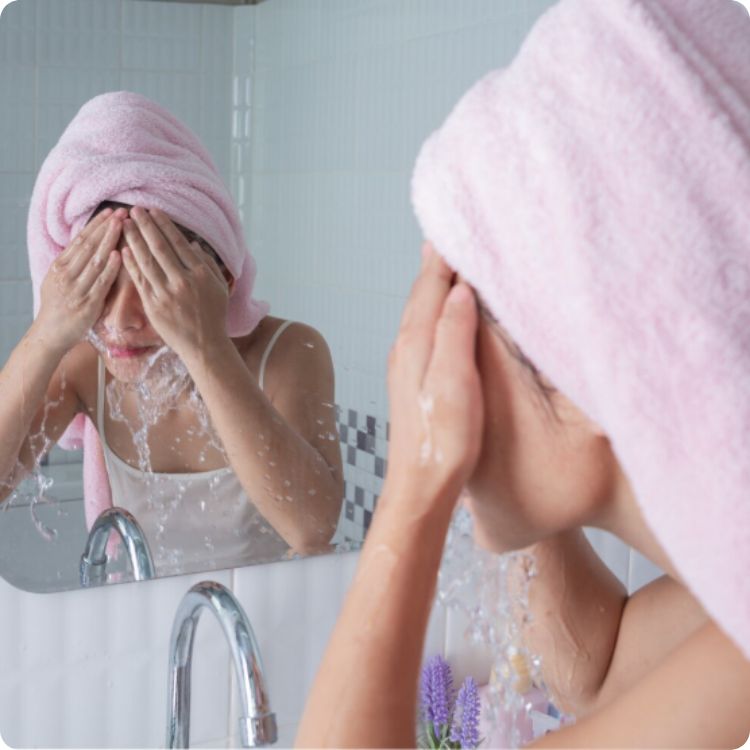
- Overcleansing with harsh, stripping cleansers
- Insufficient water intake
- High caffeine and alcohol consumption
- Sun exposure and heat
Symptoms of Dry vs Dehydrated Skin
| Dry Skin | Dehydrated Skin | |
| Feel | Rough, tight, flaky | Tight, dull, sensitive |
| Look | Dull, scaly patches | Fine lines, sunken appearance |
| Skin Type | Always dry | Can affect any skin type |
| Cause | Lack of oil (sebum) | Lack of water |
| Duration | Permanent condition | Temporary, reversible |
A quick way to check if you’re dehydrated: gently pinch the skin on your cheek. If it takes a moment to bounce back or shows fine lines when pinched, your skin is likely dehydrated.
Progression of Dry and Dehydrated Skin
Chronic dry skin can lead to a damaged skin barrier, making skin more reactive, prone to eczema and sensitive to active ingredients. The constant lack of lipids accelerates fine lines and uneven skin texture.
Dehydrated skin that’s ignored often leads to compensatory oiliness, your skin overproduces sebum to make up for the water loss, resulting in an oily-yet-dry paradox. This can trigger clogged pores, dull skin and a patchy skin tone that no amount of foundation can fix.
Dry vs Dehydrated Skin: Myths vs Reality
Myth: Oily skin can’t be dehydrated.
Reality: Oily skin is one of the most commonly dehydrated skin types, especially in Malaysia. The oiliness is often a compensation response to water loss.
Myth: Drinking more water alone will fix dehydrated skin.
Reality: Hydration needs to happen both internally and topically. Water intake helps, but without a proper skincare routine and barrier repair, the water won’t stay in your skin.
Myth: Heavy creams are the solution for dry skin.
Reality: For dry skin, you need lipid-based ingredients like ceramides, fatty acids and squalane, not just thick creams that sit on top without penetrating.
Dry vs Dehydrated Skin: What the Data Says
Peer-Reviewed Dermatology Data
According to the American Academy of Dermatology (AAD), dry skin affects a significant portion of adults and is more prevalent in women, particularly after the age of 30 when sebum production naturally declines.
The Dermatological Society of Malaysia (PDM) notes that tropical climates like Malaysia’s create a unique skin challenge, high UV index combined with air conditioning environments means Malaysian skin is constantly shifting between humidity extremes, significantly increasing rates of dehydration and barrier damage.
Estika Clinical Observation
At Estika Medispa, our certified skin therapists consistently observe that clients who self-diagnose as “dry skin” often present with dehydrated skin instead, sometimes with an oily T-zone. Many arrive having used heavy oils or rich creams that have congested their pores without addressing the actual water deficit. A proper clinical skin assessment changes the entire treatment approach.
How We Assess Your Skin Condition
Before any treatment, our certified beauticians conduct a structured skin analysis that looks at:
- Sebum levels: to determine if skin is genuinely low in oil
- Moisture content: measured through skin hydration levels
- Skin texture and barrier integrity: checking for sensitivity, flakiness and elasticity
- Lifestyle triggers: including diet, sleep, stress and skincare habits
This allows us to accurately differentiate dry skin from dehydrated skin and recommend the right solution, not the most expensive one.
Understanding the Treatment
Science Behind the Treatment
For dry skin, the goal is to replenish lipids and strengthen the skin barrier. Treatments focus on nourishing the skin with ceramide-rich, oil-based ingredients that mimic the skin’s natural sebum.
For dehydrated skin, the priority is water retention. This is achieved through humectant-rich treatments (such as hyaluronic acid) combined with mild exfoliation to remove dead skin cells that block ingredient absorption. Mild chemical peeling is particularly effective here. It removes the dulling surface layer, accelerates skin cell turnover and allows hydrating actives to penetrate deeper.
Treatment Procedure
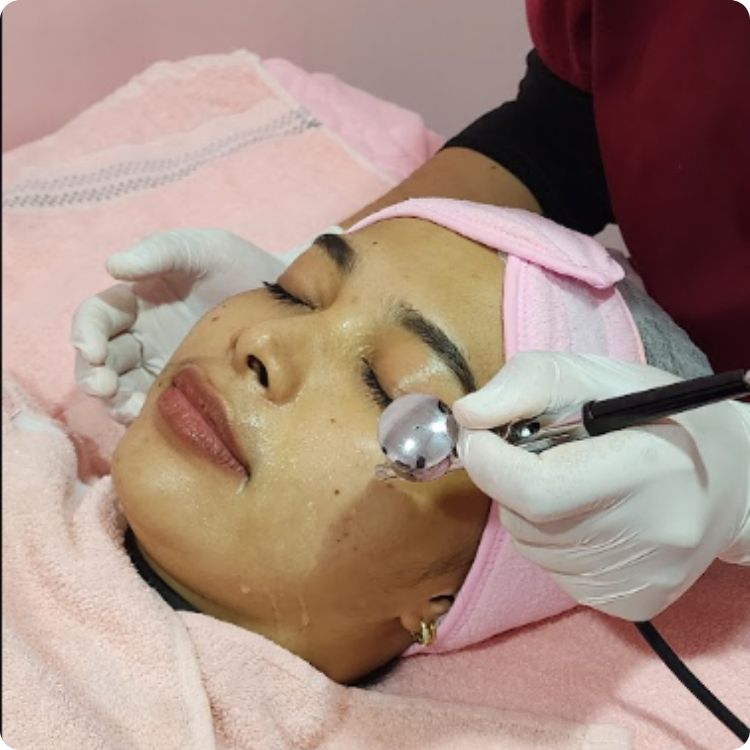
- Skin analysis and consultation
- Gentle double cleanse
- Mild exfoliation or chemical peel (where appropriate)
- Targeted serum infusion (hydrating or lipid-replenishing)
- Barrier repair mask
- SPF protection
Treatment Downtime
Minimal to none. Most clients return to daily activities immediately after their session. Mild redness may occur post-peel but typically subsides within a few hours.
Treatment Patient Comfort Scale
Low discomfort. Most clients describe the experience as relaxing. Chemical peeling may cause a brief tingling sensation, which normalises within minutes.
Treatment Results
Visible improvement in skin plumpness, glow and texture after the first session. Optimal results are seen after 3–6 sessions, with a personalised home care plan in between.
Treating Dry and Dehydrated Skin at Estika
Benefits
- Accurately targeted treatment (not guesswork)
- Immediate improvement in skin hydration and glow
- Reduced appearance of fine lines and dull skin
- Stronger skin barrier to prevent future dehydration
Suitable For
- Women with persistent dry or flaky skin
- Oily skin that feels tight or looks dull
- Skin that looks “tired” despite enough sleep
- Those using multiple products with no results
- First-timers to professional skin treatment
Not Suitable For
- Active open wounds or skin infections
- Currently on oral retinoids or strong prescription medications
- Severe eczema in acute flare-up stage
- Pregnant women (consult doctor first)
Our Certified Skin Therapists
Every treatment at Estika is carried out by beauticians with formal qualifications in aesthetics and skincare. Our team is trained to read skin conditions clinically, not cosmetically.
Our Facial Procedure
Our hydrating facial and mild chemical peel treatments are designed specifically for Malaysian skin, accounting for the environmental triggers unique to our climate, lifestyle and skin tone diversity.
View our facial treatments at Estıka
Advantages of Estika Solution
- Non-invasive approach
- Qualified beauticians
- Personalised assessment
- Science-backed protocols aligned with dermatological best practices
- KKM-compliant. All procedures adhere to Ministry of Health Malaysia regulations
Treatment Journey for Dry and Dehydrated Skin
Book a consultation: A no-pressure consultation to discuss your skin concerns and lifestyle.
Skin assessment: A clinical evaluation by our certified skin therapist.
Personalised treatment plan: A recommended treatment schedule (typically 3–6 sessions) with home care guidance.
Treatment sessions: Comfortable, non-invasive in-clinic sessions targeting your specific skin condition.
Progress review: We reassess your skin at intervals to track improvement and adjust the plan.
When Should You See a Professional?
Consider booking a treatment if:
- Your skin feels tight, dry, or dull despite using moisturiser consistently
- You’ve tried multiple products over 4–6 weeks with no improvement
- Your skin looks older or more tired than it should
- You notice increased sensitivity, redness, or patchy skin texture
- Your skin is oily but still looks dehydrated or dull
Dry vs Dehydrated Skin FAQ
1. Why choose Estika’s certified therapists?
Our therapists hold formal qualifications in aesthetics. They’re trained to assess and treat skin conditions with clinical precision. Every consultation is personalised and every treatment is backed by a proper skin analysis, not just a product upsell.
2. Is hydrating facial treatment effective for dehydrated skin?
Yes. A professionally administered hydrating facial uses pharmaceutical-grade actives that penetrate deeper than over-the-counter products. When combined with a mild chemical peel to remove the barrier of dead skin cells, hydrating ingredients work significantly more effectively.
3. How do I get an appointment at Estika?
You can book via estika.com or reach us through our contact channels listed on the website. We serve clients across Malaysia with our medispa locations.
4. Can treatments be performed on very sensitive or reactive skin?
Yes, with modification. Our therapists will adjust the treatment protocol based on your skin’s current sensitivity. We always do a thorough assessment before proceeding, and we do not apply chemical peels on compromised or actively inflamed skin.
5. How many sessions are required for visible improvement?
Most clients see noticeable improvement after the first session. For sustained results and long-term barrier repair, a course of 3–6 sessions is recommended, spaced 2–4 weeks apart.
The Right Fix Starts With the Right Answer
Your skin is literally telling you what it needs, you just need to know how to listen. Whether it’s the persistent flakiness of dry skin or the dull, tight feeling of dehydrated skin, both conditions are completely treatable when approached the right way.
The problem isn’t your skin. It’s using the wrong solution for the wrong condition. That’s exactly where most women get stuck, cycling through products that don’t work, spending more money and getting more frustrated.
At Estika Medispa, we take the guesswork out of it entirely. Our certified skin therapists assess your skin properly before anything else — because the right treatment starts with the right diagnosis. If your skin has been feeling off and nothing seems to be working, it’s time to stop guessing and start treating. Book your consultation at estika.com today, your skin deserves a proper answer.
References:
- DermNet — Dry Skin (Xerosis), retrieved May 2025. dermnetnz.org
- PubMed / NCBI — Transepidermal Water Loss and Skin Barrier Function, retrieved May 2025. ncbi.nlm.nih.gov
- JAMA Dermatology — Skin Barrier Dysfunction in Dry Skin Conditions, retrieved May 2025. jamanetwork.com
- American Academy of Dermatology — Dry Skin: Overview, retrieved May 2025. aad.org
- Dermatological Society of Malaysia (PDM) — Skin Health in Tropical Environments, retrieved May 2025. dermatology.org.my
- Estika Medispa Facial Treatment: estika.com/service/
- Estika Skin Problem — Dry Skin: estika.com/skin-problem/dry-skin/
This clinical guide has been reviewed and approved for medical accuracy by:
Dr. Abdul Haq Ab Wasa Founder of Estika Medispa Registered Medical Practitioner with the Malaysian Medical Council (MMC No: 63574). All protocols at Estika Medispa adhere strictly to KKM (Ministry of Health Malaysia) regulations and ISO 9001:2015 Quality Management System guidelines to ensure patient safety and clinical excellence.