

- Estika uses non-invasive facial technologies which is deep cleansing, ultrasonic exfoliation, galvanic infusion and mild chemical exfoliation. No needles, no lasers, no downtime.
- Malaysia’s tropical heat (30°C+), 80–90% humidity, UV exposure and urban pollution are the primary triggers for most skin problems among Malaysian women.
- Each treatment targets specific skin concerns, regulating sebum, restoring the moisture barrier, reducing inflammation and brightening pigmentation through certified facial protocols.
- The five most common skin problems in Malaysia are combination-to-oily skin, dry or sensitive skin, acne-prone skin, dark spot & pigmentation, and open pores.
- Seek professional treatment when over-the-counter products fail after 4–6 weeks, or when skin conditions begin affecting your confidence and daily life.
Understanding Types of Skin Problems
Living in Malaysia means your skin deals with challenges most skincare products aren’t designed for. Year-round heat, 80–90% humidity, heavy UV exposure, and city pollution from places like Kuala Lumpur, Petaling Jaya and Shah Alam create the perfect storm for skin problems to develop and persist.
The truth is, most Malaysian women are using generic skincare advice designed for temperate climates. That’s why it doesn’t work here. Understanding the types of skin problems specific to our local context is the first step toward actually fixing them.
Here are the top 5 skin concerns we see most often at Estika Medispa and what you can do about each one.
1. Combination-to-Oily Skin
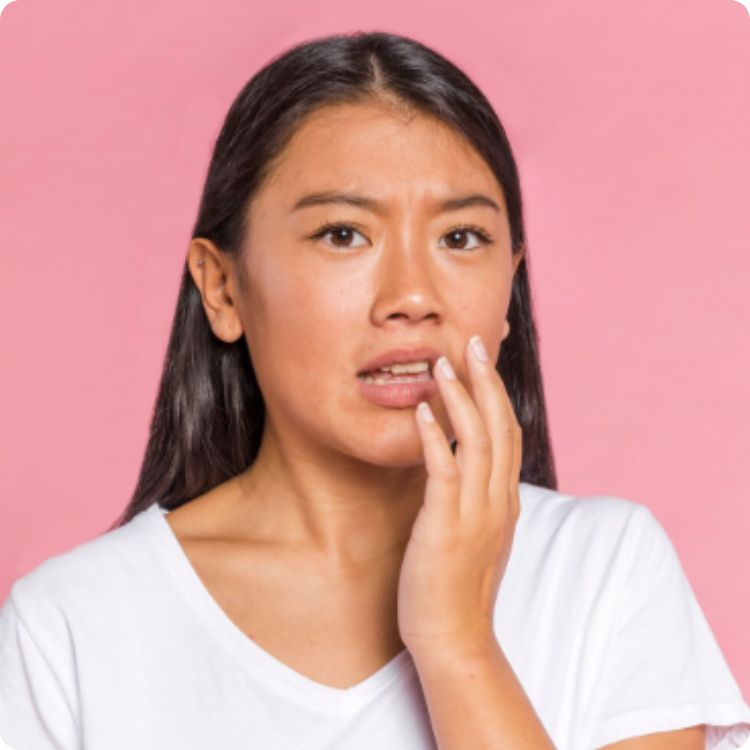
Oily and combination skin is arguably the most common skin type in Malaysia and for good reason. Our tropical climate directly stimulates sebaceous gland activity, causing excess sebum production that leads to shine, congestion and clogged pores.
Why it happens in Malaysia:
- Humidity above 80% increases sweat-sebum mixing on the skin surface
- High-GI local diet (bubble tea, fried foods, sugary drinks) spikes insulin and triggers oil production
- Air conditioning causes the skin to compensate by producing more oil when stepping back into the heat
- Hormonal fluctuations from menstruation or contraceptives worsen sebum output
Common symptoms: Shiny T-zone by mid-morning, enlarged pores, frequent blackheads, makeup that oxidises or slides off quickly.
Estika’s solution: The Glowing Facial regulates sebum, refines skin texture and restores a balanced complexion without harsh chemicals or downtime.
Oily Skin? Read Skin Problem FAQ Here
2. Dry or Sensitive Skin
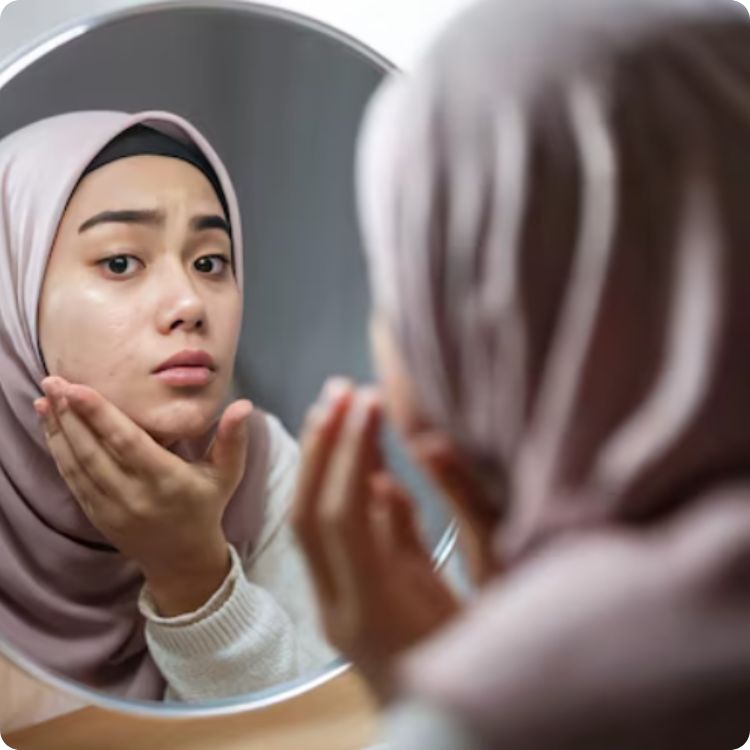
Dry skin in a humid country like Malaysia sounds contradictory, but it’s more common than you’d think. The culprit? Air conditioning. Malaysian women spend 8–10 hours daily in heavily air-conditioned offices, malls and LRT stations where indoor humidity can drop to 30–40%, stripping the skin of moisture.
Why it happens in Malaysia:
- Prolonged air-con exposure causes transepidermal water loss (TEWL)
- Over-cleansing with “brightening” or “whitening” foaming cleansers that damage the skin barrier
- Post-partum or menopausal hormonal shifts that reduce natural oil production
- Harsh actives bought online without professional guidance
Common symptoms: Skin feels tight after washing, flaking on the cheeks, stinging when applying products, redness that flares easily in heat or wind.
Estika’s solution: The Hydra Rich Facial uses galvanic infusion to deliver hyaluronic acid and ceramides deep into the skin, restoring the moisture barrier from within.
Dry Skin? Read Skin Problem FAQ Here
3. Acne-Prone Skin
“Acne is so much more than skin deep, it has a significant psychosocial impact, influencing how people feel about themselves, performance in school, performance in the workplace and even development of interpersonal relationships.”
Acne isn’t just a teenage problem. Adult acne among Malaysian women aged 20–40 is rising, driven by stress, hormonal imbalance, diet and an urban lifestyle that exposes skin to constant pollution and humidity.
Why it happens in Malaysia:
- High humidity traps sweat and sebum in follicles, creating the perfect environment for Cutibacterium acnes to thrive
- Stress from work and city living elevates cortisol, which simultaneously increases sebum and inflammation
- Heavy makeup and comedogenic sunscreens especially popular BB cushions that clog pores
- High-sugar local diet raises IGF-1 levels, a key driver of hormonal acne
Common symptoms: Recurring papules and pustules on the cheeks, chin and jawline; frequent whiteheads; post-inflammatory dark marks after each breakout; skin that reacts badly to new products.
Estika’s solution: The Flawless Facial uses BHA exfoliation and high-frequency therapy to clear congestion, kill acne-causing bacteria and calm inflamed skin without harsh prescription treatments.
Acne Skin? Read Skin Problem FAQ Here
4. Dark Spot & Pigmentation
Dark spots and uneven skin tone are among the most emotionally distressing skin concerns for Malaysian women and one of the most searched skincare topics in the country. Whether it’s post-inflammatory hyperpigmentation (PIH) from old acne, melasma from hormonal changes, or sunspots from UV exposure, all fall under pigmentation disorders.
Why it happens in Malaysia:
- Equatorial UV index is consistently high year-round even on cloudy days, UV penetrates and activates melanin production
- Hormonal triggers from pregnancy, PCOS, or oral contraceptives cause melasma, the “mask of pregnancy” common in Malaysian women aged 25–40
- PIH is more persistent in Fitzpatrick III–V skin tones (the most common in Malaysia), lasting 6–24 months without treatment
- Many women unknowingly worsen pigmentation by using physical scrubs or harsh brightening creams that trigger more melanin as a defensive response
Common symptoms: Brown or grey patches on cheeks and forehead, dark spots from old pimples, skin that looks dull despite moisturising, patches that darken after sun exposure.
Estika’s solution: The Vitamin C Facial uses stabilised L-ascorbic acid to inhibit tyrosinase, the enzyme that produces melanin progressively fading dark spots while protecting against future UV damage.
👉 Pigmentation Dark Spots? Read Skin Problem FAQ Here
5. Open Pores
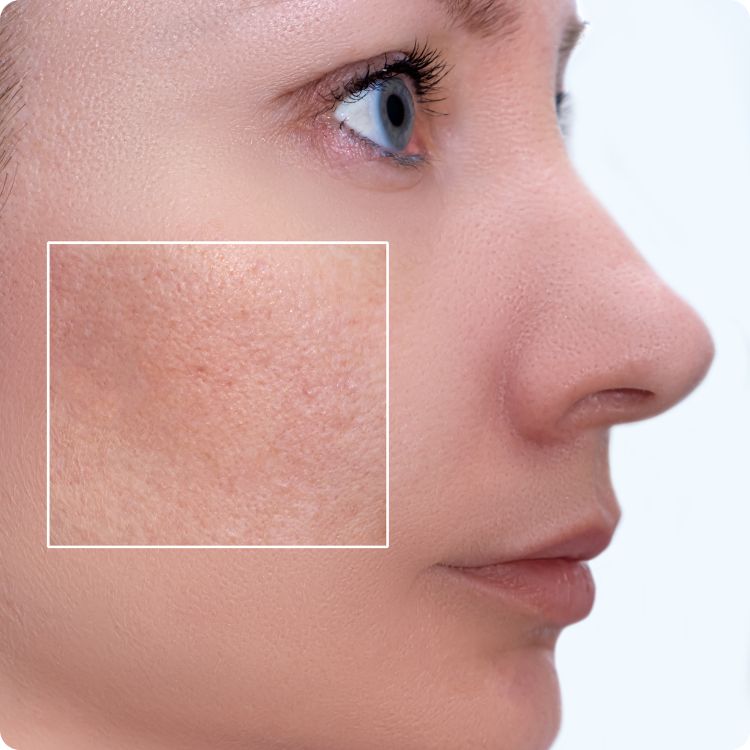
Enlarged pores are one of the top cosmetic complaints at Estika and one of the most misunderstood. Pores don’t literally “open” or “close,” but their appearance becomes more pronounced when filled with sebum, dead skin and environmental debris that physically stretches the pore wall.
Why it happens in Malaysia:
- Consistently high sebum production in humid heat stretches pore walls over time
- Repeated blackhead formation and inflammation causes permanent dilation of the follicle opening
- UV damage degrades collagen and elastin, the structural proteins that keep pore walls looking tight
- Incorrect use of pore strips causes micro-tears in surrounding skin, making pores look worse
Common symptoms: Visible pores on nose, cheeks, and chin; rough or “orange peel” skin texture; foundation settling unevenly into pores; blackheads consistently visible at pore openings.
Estika’s solution: The Vibrant Facial uses ultrasonic spatula technology to deep-cleanse pore congestion and pore-minimising actives like niacinamide and zinc to reduce sebum production at the gland level.
👉 Skin Anomalies? Read Skin Problem FAQ Here
Skin Problem Data in Malaysia
Peer-Reviewed Dermatology Data
When it comes to oily and combination skin, a study published on PubMed/NCBI confirms that sebum production increases measurably in environments with relative humidity above 75%, a condition that defines Malaysia’s climate virtually year-round. This directly explains why excess shine, clogged pores and blackheads are so persistent here, regardless of how often you cleanse.
For acne-prone skin, research in JAMA Dermatology links adult female acne to elevated androgen sensitivity and insulin-like growth factor (IGF-1), both of which are worsened by high-GI diets and chronic stress.
On dark spots and pigmentation, the Dermatological Society of Malaysia (PDM) reports that melasma affects up to 40% of women in Southeast Asian populations. Malaysian women are particularly vulnerable due to their Fitzpatrick III–IV skin type, where melanocytes are naturally more active and respond aggressively to UV and hormonal triggers.
For dry and sensitive skin, the AAD establishes that prolonged exposure to low-humidity environments such as heavily air-conditioned Malaysian offices and shopping malls significantly accelerates transepidermal water loss (TEWL), compromising the skin barrier even in a tropical country.
Estika Clinical Observation
The majority of our first-time female clients present with more than one skin concern simultaneously. Most commonly, oily skin paired with post-inflammatory dark spots from past breakouts. This overlap is especially pronounced among clients from high-traffic urban areas where pollution and heat exposure compound existing skin conditions daily.
We also consistently see dry and sensitive skin among office-based clients who spend the bulk of their day in air-conditioned environments, many of whom are surprised to learn that their skin is dehydrated despite living in a humid country.
How We Assess Your Skin at Estika
Before any treatment begins, every Estika client goes through a comprehensive skin assessment with a certified skin therapist. This includes:
- Visual examination to identify your skin type and concern zones
- Skin hydration and sebum level measurement
- Review of your current skincare routine and lifestyle habits
- Hormonal history and diet discussion where relevant
- Personalised treatment plan
Advantages of Estika Solution
- 100% Non-Invasive.No needles, no lasers, no surgical procedures
- Certified Therapists.
- Doctor-Reviewed Protocols. Every treatment is developed and reviewed by a registered medical practitioner
- KKM-Compliant & ISO 9001:2015 Certified. Meeting Ministry of Health Malaysia standards
- Malaysian Skin Expertise. Protocols designed specifically for Fitzpatrick III–V skin tones and tropical climate conditions
When To Go For A Treatment?
Stop relying on drugstore products alone if:
- Your skincare routine has been consistent for 6+ weeks with zero visible improvement
- You’re dealing with multiple skin concerns at the same time
- Your skin condition is visibly worsening
- Skin problems are affecting your confidence, work, or social life
- You’ve tried strong DIY actives (acids, retinol) and caused irritation or made things worse
Skin Problems & Treatment FAQ
1. Why Choose Estika’s Certified Therapists?
Estika’s therapists hold formal qualifications from accredited institutions, not just short beauty courses. Every protocol is reviewed by a registered medical doctor, ensuring your treatment meets healthcare standards, not just beauty industry ones.
2. How Many Sessions Are Needed for Results?
Most clients see initial improvement after 2–3 sessions. For lasting results, a course of 4–6 sessions is recommended, followed by monthly maintenance every 3–4 weeks.
3. How Do I Book an Appointment?
Visit estika.com to book online, or contact your nearest Estika branch directly. Walk-ins are welcome based on daily availability, but advance booking is recommended.
Your Skin Deserves Better Than Guesswork
Malaysia’s heat, humidity, and urban lifestyle don’t give your skin an easy time and no amount of drugstore hopping is going to fix what the climate, pollution and hormones are actively working against. Whether you’re dealing with stubborn oily skin, persistent dark spots, recurring breakouts, or pores that just won’t quit, one thing is clear: your skin problems have specific causes and they deserve specific solutions.
At Estika Medispa, we don’t do generic. Every treatment begins with a proper skin assessment by a certified therapist because your skin’s story is different from everyone else’s. We give your skin exactly what it actually needs. Book your skin consultation at Estika Medispa today and finally treat your skin the way it deserves.
References:
- DermNet NZ — “Acne,” updated 2023. https://dermnetnz.org/topics/acne
- DermNet NZ — “Melasma,” updated 2023. https://dermnetnz.org/topics/melasma
- PubMed / NCBI — “Effect of climate on sebum secretion,” 12-June-2010. https://pubmed.ncbi.nlm.nih.gov/
- JAMA Dermatology — “Adult Female Acne: A Guide to Clinical Practice,” 01-January-2020. https://jamanetwork.com/journals/jamadermatology
- American Academy of Dermatology (AAD) — “Melasma: Diagnosis and Treatment,” updated 2023. https://www.aad.org/public/diseases/a-z/melasma-treatment
- Dermatological Society of Malaysia (PDM) — http://www.dermatology.org.my
- Estika Medispa — Skin Problem Guides & Treatment. https://estika.com
This clinical guide has been reviewed and approved for medical accuracy by:
Dr. Abdul Haq Ab Wasa Founder of Estika Medispa Registered Medical Practitioner with the Malaysian Medical Council (MMC No: 63574). All protocols at Estika Medispa adhere strictly to KKM (Ministry of Health Malaysia) regulations and ISO 9001:2015 Quality Management System guidelines to ensure patient safety and clinical excellence.